
Hedge Maintenance in Sydney: A Spring Timing Guide

There is a distinct moment in early September when Sydney outdoor spaces suddenly wake up. Along the leafier avenues of Longueville, Roseville, Bayview and across the Northern Beaches, garden hedges begin pushing out soft, pale green shoots. After months of winter dormancy, species like Lilly Pilly, Buxus, and Photinia respond to warmer soils and longer days with rapid, energetic flushes of growth.

For homeowners and property managers across Sydney, this sudden spring surge presents both an opportunity and a vulnerability. Time your spring maintenance correctly, and your hedge will respond with thick, uniform density, crisp architectural lines, and vibrant leaf foliage that holds its shape well into summer. Cut too early, too hard, or at an awkward point in the flush, and you risk exposing sensitive tender foliage to late temperature dips, inducing sun-scald, or creating patchy, uneven growth that takes months to recover.
Professional hedge care is not merely about trimming off top growth whenever a plant looks untidy. It is a precise discipline rooted in understanding local microclimates, species growth habits, and physiological timing. Whether you manage a private estate hedge line or structured formal screening, aligning your seasonal pruning with Sydney’s unique spring conditions makes the difference between an overgrown chore and a thriving, low-stress feature.
A Tale of Two Sydney Hedges: Why Timing Changes Everything
To understand why precision timing matters, consider two suburban properties situated along the lower North Shore. Both feature established English Box (Buxus sempervirens) hedging and Lilly Pilly (Syzygium australe) privacy screens, and both owners spent money on healthy stock and quality installation.
The owner of the first property noticed early spring growth appearing in late August and immediately sheared the entire foliage line back hard. Unfortunately, Sydney experienced a sudden late cold snap in early September. The newly exposed tender leaves, stripped of their protective outer layer, suffered leaf burn and tip dieback. The hedge spent the rest of spring recovering from shock, producing erratic, patchy leaves and requiring extra fertilising and corrective trimming to balance out the canopy.
The owner of the second property took a structured approach. They waited until the spring growth flush commenced fully in mid-to-late spring, checking that root moisture levels were balanced and that soil temperatures had stabilized. When they trimmed, they did so with precision, clearing out internal deadwood to promote air circulation before shaping the outer surface. The result was a lush, dense screen that held its form crisply through the hot summer months with minimal intervention.
Understanding the difference between these two outcomes comes down to working with plant biology rather than fighting against it. When you schedule maintenance around natural growth spurts, you work alongside the plant's stored energy reserves rather than draining them.

The Biological Reality of Sydney’s Spring Growth Flush
Spring in Sydney is not a uniform block of mild weather. The transition from August through November involves rising soil temperatures, coastal humidity shifts, and sudden heat spikes.
During winter, evergreen hedges store carbohydrates within their root systems and lower stems. As the spring sun warms the soil, roots begin drawing up moisture and nitrogen, converting stored starches into sugars that fuel shoot elongation.
If you cut a hedge right as the plant initiates this energy transfer, you remove the leaves responsible for photosynthesis before the plant can replenish its energy stores. This causes light starvation, forcing the plant to draw further on reserves to push out corrective growth.
Conversely, waiting until the new spring shoots have begun to expand and harden slightly allows the hedge to synthesize sufficient energy. Trimming at this physiological window stimulates latent lateral buds along the stems, producing dense, compact branching rather than long, leggy stems.
Managing these biological shifts requires consistent attention and care. If you prefer to have expert horticulturalists manage your garden's seasonal growth cycles, explore our dedicated services on our Garden Maintenance page to keep your outdoor spaces healthy year-round.
Essential Spring Timing Guide for Popular Sydney Hedge Species
Different hedging plants respond to spring pruning in distinct ways. A blanket approach across a mixed landscape will yield disappointing results. Below is a species-specific guide to timing your hedge maintenance in Sydney during spring.
Hedge Species | Common Name | Optimal Spring Pruning Window | Growth Rate & Characteristics | Key Pruning Focus |
Syzygium australe / smithii | Lilly Pilly | Late September to Mid-November | Fast growth; responsive to light tip-pruning | Tip-pruning new flushes to encourage lateral density; check for psyllid damage |
Buxus sempervirens / microphylla | English / Japanese Box | October to Early November | Slow to moderate growth; highly structured | Precision formal shaping after new soft growth hardens slightly; avoid cutting in extreme heat |
Photinia × fraseri 'Red Robin' | Red Robin Photinia | September to October | Fast, vigorous growth; striking red flushes | Light trimming after the bright red spring flush matures to keep color vivid |
Prunus laurocerasus | Cherry Laurel | Mid-October to Late November | Moderate to fast; large glossy leaves | Secateur pruning preferred over electric shearers to avoid ragged leaf burn |
Westringia fruticosa | Native Rosemary / Grey Box | Late August to November | Very hardy; moderate growth | Regular light tip-trimming post-flowering to maintain tight ball or formal block shape |
Murraya paniculata | Orange Jessamine | Late October to November | Fast growing in warm weather; highly scented | Prune after spring flowering to promote dense re-blooming and neat structure |

1. Lilly Pilly (Syzygium species)
Lilly Pilly is one of Sydney’s most reliable evergreen screen plants. In spring, it puts on rapid growth flushes. Pruning should be carried out once the initial spring foliage flush shows signs of maturing. Tip-pruning the branch tips during October stimulates dormant side buds, turning a thin screen into an opaque green wall.
2. English and Japanese Box (Buxus)
Buxus hedges define classical and formal estate gardens across Sydney’s North Shore. Because Buxus grows at a slower rate than native screening plants, mistakes remain visible for much longer. Avoid cutting Buxus during early cold snaps or unusually hot, dry spring days. Wait for a overcast morning in October, ensuring your blades are razor-sharp to prevent bruised stem tips that turn brown.
3. Photinia Red Robin
Famous for its striking crimson growth flushes, Photinia requires strategic timing. Trimming too early cuts away the brilliant red leaves that homeowners enjoy during early spring. Allow the red flush to display fully through September, then perform a structured trim as the foliage matures to green. This encourages a secondary, lighter red flush later in the season.
4. Native Rosemary (Westringia)
Coastal Sydney properties benefit immensely from native hedges like Westringia fruticosa or compact cultivars like Grey Box. These hardy plants require light, continuous tip-pruning rather than heavy structural cuts. Pruning gently throughout spring maintains their tight geometric form while encouraging coastal birdlife.
If your hedge has grown out of shape or requires structural correction after years of neglect, professional intervention can restore its architectural lines. Learn how our team handles structural pruning, soil restoration, and hedging by visiting our Garden Restoration Sydney page.

The Four Pillars of Professional Spring Hedge Care
A pristine hedge requires more than good cutting technique. Professional care integrates soil nutrition, sharp equipment, pest checks, and hydration management into a single routine.
Pillar 1: Soil Enrichment and Root Nutrition
Pruning encourages a plant to spend energy building new foliage. If the soil lacks adequate organic matter or nutrients, that new growth will appear yellow, thin, and weak. Spring hedge maintenance should always begin at ground level. Applying an organic soil conditioner alongside a balanced, slow-release fertilizer provides nitrogen, potassium, and trace elements that sustain foliage density through summer.
Pillar 2: Sanitation and Equipment Precision
Dull hedge trimmer blades do not cut cleanly; they tear plant tissue. Tattered leaves lose moisture quickly, develop brown dead edges, and offer easy entry points for fungal spores like Mycosphaerella or root rot organisms. Professional maintenance teams sanitize tools between properties using horticultural disinfectant to prevent the spread of soil-borne pathogens across gardens.
Pillar 3: Proactive Pest and Disease Monitoring
Spring heat combined with humid coastal air creates ideal conditions for pests. Lilly Pilly psyllid causes unsightly pimpling on new leaves, while scale insects and soot mold frequently strike Buxus and Murraya. Regular inspections allow for non-toxic, targeted treatments like horticultural oils or potassium soaps before pest populations explode. You can learn more about eco-friendly plant care and pest management strategies via resources from the Royal Botanic Garden Sydney, which offers valuable insights into managing local plant health natively.
Pillar 4: Deep Hydration and Protective Mulching
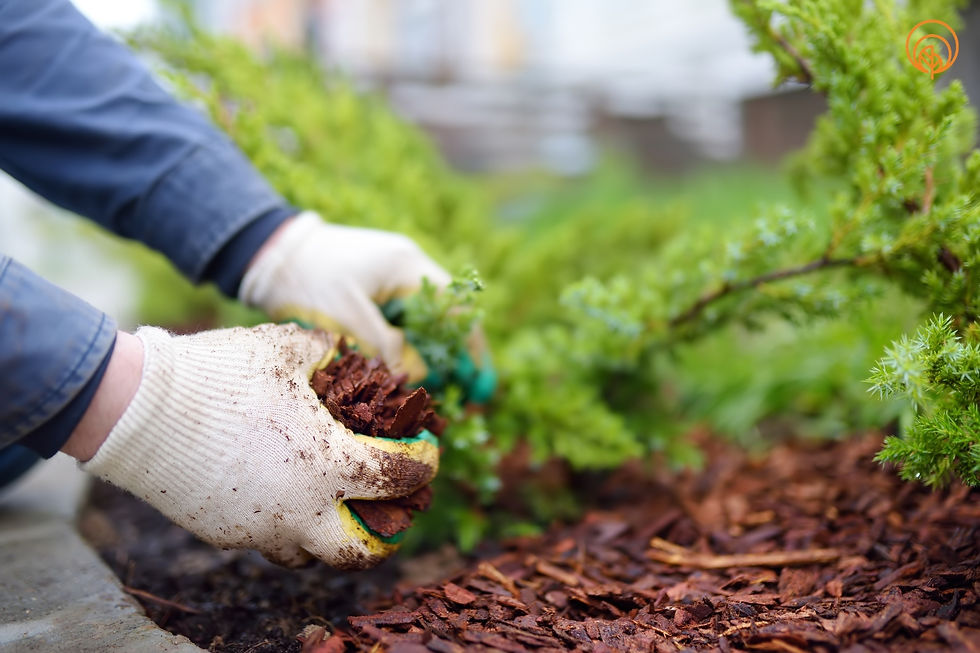
A hard-trimmed hedge placed under drought stress will drop its lower interior leaves, leading to sparse bases and hollow centers. Following a spring trim, deep drip-line watering encourages roots to seek moisture below the surface. Top-dressing surrounding soil with a clean 50mm layer of organic arborist chip or pine bark mulch suppresses weed competition and keeps soil temperatures cool as summer approaches.
Avoiding Common Spring Pruning Mistakes
Even seasoned property owners can make simple errors during the busy spring growth period. Avoiding these common mistakes keeps your landscape looking pristine:
Pruning in Peak Heat: Cutting foliage during a 30°C+ Sydney spring heatwave strips the protective outer canopy, exposing interior shade-adapted leaves to intense UV rays and causing widespread leaf scorch.
Tapering the Wrong Way: Always cut hedges so the top is slightly narrower than the bottom (an inverted trapezoid shape). If the top is wider than the base, it casts shade over lower branches, causing the bottom of the hedge to thin out and bare wood to show over time.
Ignoring Internal Deadwood: Over time, dead twigs accumulate inside dense hedges, restricting airflow and harboring fungal spores. Clearing out deadwood during spring maintenance keeps the interior clean and healthy.
Using Unsanitized Tools: Shearing a diseased hedge and moving straight to a healthy screen without cleaning your equipment can spread fungal infections across your entire property.

Integrating Hedging into Strata and Commercial Properties
For strata committees and commercial property managers across Sydney, maintaining clean boundary lines and privacy hedging is essential for tenant satisfaction, safety, and property values. Unsightly hedges that block sightlines, encroach on pedestrian pathways, or look unkempt reflect poorly on the entire development.
Managing large-scale hedging requires scheduled maintenance programs that handle seasonal growth spurts without disrupting residents. Consistent spring maintenance prevents hedges from growing out of control, avoiding costly hard resets or compliance notices later in the year.
If you manage a commercial or residential complex that requires scheduled care, high-reach pruning, and detailed reporting, explore our specialist services on our Strata Hedge Trimming Sydney page.
The Seasonal Maintenance Calendar for Sydney Hedges
To keep your outdoor spaces organized throughout the year, follow this seasonal checklist designed specifically for Sydney’s climate:
Spring (September – November): Perform main structural shape adjustments, apply slow-release organic fertilizers, check for sap-sucking pests, and refresh organic mulch layers.
Summer (December – February): Conduct light maintainer trims to hold clean geometric lines, monitor drip irrigation timers during heatwaves, and check for scale or fungal leaf spots.
Autumn (March – May): Apply a final post-summer trim to set sharp architectural lines before winter, top up soil organic matter, and reduce irrigation frequency as days cool.
Winter (June – August): Allow evergreen hedges to rest, perform structural repairs on supporting framework, and apply dormant oil treatments where necessary.
Understanding these seasonal rhythms makes hedging effortless, preserving density and color year after year. For additional context on sustainable urban land care and plant preservation standards, consult guidelines provided by the Australian Institute of Horticulture or regional environmental advice through the NSW Department of Climate Change, Energy, the Environment and Water.
Enjoy Crisp Lines and Effortless Screening This Spring
A well-maintained hedge provides structural framework, privacy, and living greenery that elevates any Sydney property. Achieving lush density and clean lines does not require spending every weekend with a pair of shears. By aligning your maintenance with Sydney's spring climate, understanding species-specific needs, and maintaining root health, hedge care becomes straightforward and highly rewarding.

If your schedule is already demanding, let our experienced team handle the heavy lifting behind the scenes. From precision formal shaping and soil enrichment to automated irrigation and ongoing seasonal care, we ensure your hedging remains healthy, vibrant, and perfectly presented.
Ready to elevate your outdoor space with expert, low-stress landscape management? Contact Tranquil Gardens Group today to schedule a consultation with our qualified horticultural team.
Frequently Asked Questions
How often should hedges be trimmed in Sydney during spring?
Most fast-growing evergreen hedges, such as Lilly Pilly or Photinia, benefit from one to two light trims during spring to control rapid growth flushes and encourage lateral density. Slower-growing species like Buxus typically require only a single, precisely timed trim in October once new growth hardens slightly.
What is the best time of day to prune hedges in spring?
The ideal time to prune hedges is early morning or late afternoon on an overcast day. Avoid trimming in the middle of a hot, sunny day, as newly exposed inner leaves can easily suffer from sun-scald and moisture loss.
How do I fix a hedge that has become thin and bare at the bottom?
Thinning at the base usually occurs when the top of the hedge casts shade over the lower branches. To fix this, trim the hedge into an inverted trapezoid shape where the top is slightly narrower than the base. This allows sunlight to reach lower foliage, encouraging fresh internal and lower shoot growth during spring.
Can I prune my hedge hard during a Sydney spring?
Hard rejuvenation pruning should only be carried out on hardy species (like Lilly Pilly or Westringia) in early spring when the plant has sufficient stored energy to push out corrective growth. Avoid hard pruning right before or during severe heatwaves, and ensure the soil is well-watered and fertilized immediately after.
Why are the tips of my Buxus leaves turning brown after trimming?
Brown leaf tips usually indicate that dull hedge trimmer blades were used, which tears the leaf tissue rather than making a clean cut. The torn edges dry out and turn brown. Always use freshly sharpened secateurs or professional-grade trimmers, and avoid trimming Buxus during hot, windy conditions.
How do I stop Lilly Pilly psyllid from ruining my new spring growth?
Lilly Pilly psyllid can be managed by choosing psyllid-resistant cultivars (such as Syzygium australe 'Pinnacle' or 'Resilience') or by monitoring new spring growth flushes closely. Apply horticultural oils or eco-friendly organic sprays at the first sign of leaf pimpling to protect tender new foliage.


Comments