
How Professional Garden Maintenance Reduces Long-Term Garden Costs.

Updated: Jul 4

A beautiful garden rarely stays that way by accident, and many homeowners assume that garden maintenance is an expense that can be delayed until plants become overgrown, hedges lose their shape, or garden beds begin looking tired, but in reality, the opposite is often true.
Regular professional garden maintenance is one of the most cost-effective ways to protect your landscape investment, improve plant health, and avoid costly restoration work in the future, which can relatably be a pain in your bucks.
At Tranquil Gardens Group, our qualified horticulturalists have seen firsthand how preventative garden care helps homeowners avoid unnecessary expenses while keeping outdoor spaces healthy, functional, and visually appealing throughout the year.
You may have a compact courtyard, a coastal landscape, or a large established property, but consistent maintenance can significantly reduce long-term garden costs.
Why Professional Garden Maintenance Prevents Expensive Garden Repairs
Gardens rarely decline overnight. Most landscape problems begin gradually and often go unnoticed until they become difficult to ignore, and that's when you realize your head is buried deep in thinking of where to get affordable garden maintenance, and yet it's already too late.
A shrub grows beyond its intended space. Mulch breaks down and no longer protects the soil. Garden edging begins to deteriorate, allowing grass and weeds to spread into planting areas. Individually, these issues may seem insignificant, but collectively, they place increasing pressure on the health and performance of the entire landscape.
One of the most common examples is weed invasion. Left unmanaged, weeds compete with desirable plants for nutrients, moisture, and sunlight. Over time, this competition weakens plant health and increases maintenance requirements.
Similarly, overcrowded planting can restrict airflow, creating conditions that encourage fungal disease and pest activity.
Professional garden maintenance focuses on identifying and addressing these issues
How Professional Garden Maintenance Protects Plant Health
Healthy plants are more resilient, require fewer replacements, and perform better over time. They are one of the most valuable assets within any landscape. Mature trees, established shrubs, and thriving garden beds provide structure, character, privacy, and visual appeal. Replacing them can be both costly and time-consuming.
Regular pruning, hedge trimming, and horticultural care help maintain strong plant structure while encouraging healthy growth. The Royal Horticultural Society has studied that proper pruning supports healthier plant growth and reduces disease pressure in many landscape plants. Improved airflow around plants reduces moisture build-up and helps minimize the spread of pests and disease.

This is particularly important in Sydney's Northern Beaches, where changing weather conditions, coastal winds, and seasonal rainfall can place additional stress on garden plantings.
Routine maintenance helps protect these assets.
Routine maintenance also allows horticultural professionals to monitor plant health closely and identify problems before they become expensive.
A plant that receives the right care at the right time is far less likely to require replacement later.
For homeowners seeking long-term value, preventative maintenance is often far more economical than reactive repairs.
Healthy Garden Beds Cost Less to Maintain Over Time
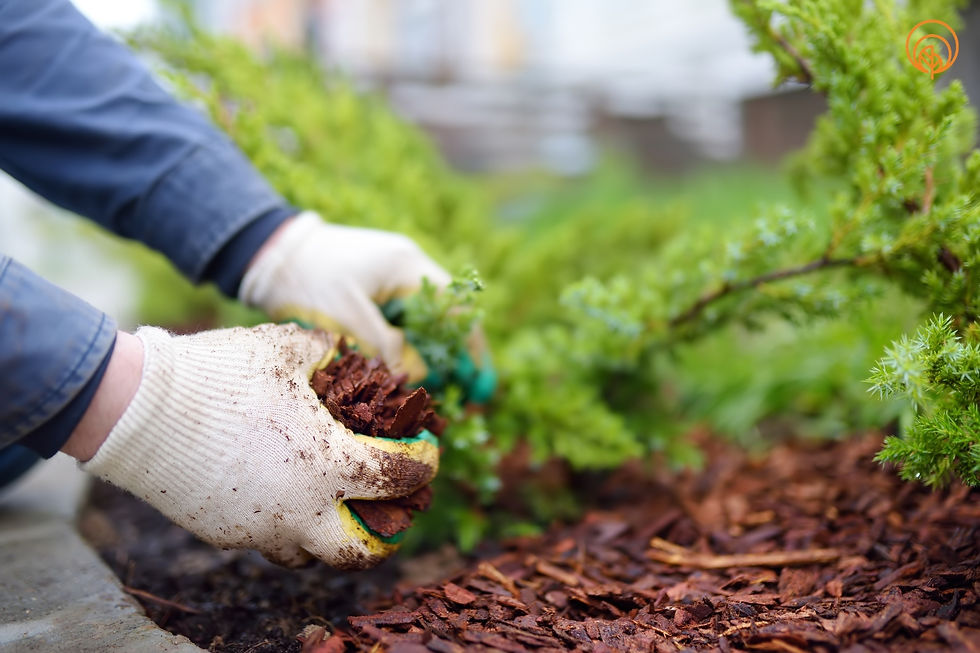
When people think about landscape maintenance, their attention often focuses on lawns, hedges, and visible plantings.
However, some of the most important work happens within the garden beds themselves.
Healthy garden beds support:
Strong root development
Improved moisture retention
Better nutrient availability
Reduced weed pressure
Healthier plant growth
Neglected garden beds often tell a different story. Compacted soil can restrict root development. Depleted organic matter reduces plant performance. Excessive weed growth creates ongoing maintenance challenges.
This is why garden bed maintenance remains one of the most effective ways to reduce future landscaping expenses.
Simple practices such as mulching, soil conditioning, seasonal planting adjustments, and regular monitoring help maintain the health of the entire landscape.
Many of the principles used in world-class botanical gardens apply equally to residential properties, and organisations such as Gardening Australia regularly highlight the importance of soil health, mulching, and plant selection in maintaining healthy garden beds.
You could be maintaining a public collection or a private garden, but long-term success relies on healthy soil, appropriate plant selection, and ongoing care. The same principles promoted by Australia's leading botanical gardens include improving soil quality, selecting suitable plants, and maintaining healthy growing conditions.
By investing in healthy garden beds today, homeowners often avoid much larger restoration costs later.
Why Garden Edging Is More Important Than Most Homeowners Realize.
Garden edging is frequently viewed as a decorative feature.
In reality, it performs several important practical functions that contribute directly to landscape efficiency and long-term cost reduction.
Well-maintained garden edging creates a clear separation between lawns and planting areas. This helps prevent grass from invading garden beds, reduces weed spread, and improves overall maintenance efficiency.
Effective garden edging also helps:
Retain mulch
Maintain clean garden lines
Improve visual structure
Support drainage management
Reduce maintenance labour
Without clearly defined edging, even well-maintained gardens can begin to lose their structure over time.
This often results in additional maintenance requirements and unnecessary corrective work.
For this reason, professional maintenance programs frequently include garden edging as part of a broader landscape care strategy rather than treating it as an isolated task.
In many cases, something as simple as maintaining clean edges can significantly improve the appearance of a property while reducing future workload.

Preventative Maintenance vs Garden Restoration: Which Costs More?
One of the easiest ways to understand the value of professional garden maintenance is to compare it with the cost of restoring a neglected landscape.
A well-maintained garden typically requires:
Seasonal pruning
Weed management
Mulch replenishment
Plant health monitoring
Soil improvement
A neglected garden often requires:
Major hedge reductions
Extensive weed removal
Plant replacement
Soil rehabilitation
Landscape restructuring
Garden restoration services
While restoration plays an important role in recovering neglected landscapes, preventative maintenance remains the more cost-effective approach for most homeowners.
This is why many clients choose ongoing maintenance after completing a garden restoration project.
The goal is not simply to improve the garden once but to protect the investment long into the future.

Professional Garden Maintenance Saves More Than Money
While reducing long-term costs is an important benefit, professional garden maintenance delivers much more than financial savings.
It protects the health of your plants, preserves the structure of your landscape, improves property presentation, and allows you to enjoy your outdoor space without the stress of ongoing upkeep, not forgetting you won't have to sink into your screen searching for the most affordable garden restoration services.
A well-maintained garden is easier to manage, more resilient to seasonal changes, and less likely to require major intervention in the future.

When viewed as a long-term investment rather than a short-term expense, professional garden maintenance becomes one of the most valuable services a homeowner can invest in.
If you're looking to protect the value, beauty, and performance of your landscape, ongoing garden maintenance is often the smartest place to start.


Comments